
Street photography course: which format works for you?
You have a few tabs open: an email course, a workshop, and a two-day masterclass. You want to learn, but which format fits what you need right now?
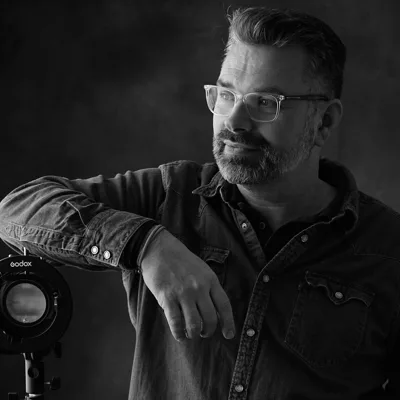
Michiel Heijmans, one of the editors
Updated on October 13, 2026
Start with what you want to learn
Choosing a street photography course gets easier once you know what you want to work on. Maybe you're still looking for camera settings that work for people walking by. Maybe you already know your camera well and want to be more deliberate about what ends up in your photos. Those are different starting points.
Take a look at your recent photos. Can you say what you'd like help understanding? "I want to get better" is understandable, but pretty broad. "I want to photograph more deliberately, with a subject in mind" gives you more direction. So does: "I want to understand why I keep choosing the same kinds of photos."
You don't need a neat label for your skill level. The number of years you've been taking photos doesn't tell you exactly what you want to learn, either. You can know your camera inside and out and still be trying street photography for the first time.
Next, think about how you like to learn. Do you enjoy reading something and then putting it into practice on your own? Or would you rather ask a question while you're out there? That difference matters.
Try it on your own first
If you're just starting out, you can begin with the beginner's route. It has four steps: what street photography is, setting up your camera, zone focusing, and your first hour on the street. That gives you a sequence to follow without having to choose a course right away.
The assignments on this site also give you something specific to practice. Members get an additional assignment every month. You'll receive the free ebook with five tips by Michiel Heijmans when you sign up for the newsletter.
Practicing on your own also helps you figure out where you'd like guidance. Choose one assignment, for example, and try it on several walks. Then compare your photos side by side. Where did you make a deliberate choice? What would you like to ask someone about?
Those questions can help you choose a course or workshop. You don't have to figure everything out on your own first. But going out a few times often gives you a clearer idea of what you're looking for than another evening comparing course pages. Those tabs aren't coming along for the walk, after all.
Streetsessions: spread over six months
Streetsessions is an online email course for photographers who know the basics and want to take photos more deliberately. You receive thirteen in-depth emails, one every two weeks, over six months. There are two personal check-ins, and at the end you get personal feedback on five photos.
You can start whenever you like. There are no scheduled sessions, and you take the course without a group. This works well if you want to practice independently and choose when to photograph.
The main difference from a workshop is how you spread out your time. You read at home and go out on your own. Between emails, you can try something, review your photos, and head out again with the same question. You don't have to work through everything in a single half day.
That freedom does mean making time to take photos. Receiving an email is easy. Putting it into practice takes a place in your week. So consider whether you have time to read, and especially when you'd go out and work with what you've read.
Streetwise: exploring what you see
Are you already making deliberate choices in your photography and looking to explore what makes your photos recognizable? A follow-up course for advanced photographers is a better fit for that question.
Streetwise is for photographers looking for their own style. Over six months, you receive thirteen emails with recommended videos, two check-ins, and feedback on five photos at the end. You work at your own pace.
The difference between the two email courses is: "Streetsessions teaches you to look more closely. Streetwise teaches you to recognize what you see."
To choose between them, consider the questions you have about your own work. If you want to learn to take photos more deliberately, Streetsessions fits that aim. If you're more curious about your own preferences and how they show up in your photos, Streetwise addresses that.
You don't need a name for your style before you begin. Looking at which photos you keep choosing can be a concrete starting point for exploring it.
Half a day together on the street
In the conceptual street photography workshop, you use a keyword or theme as a filter. It guides what you pay attention to and gives you a reference point for the choices you make along the way.
The workshop runs from 10:30 a.m. to 2:00 p.m. and takes place in Amsterdam, Antwerp, Nijmegen, or Utrecht. There are no more than five participants, and you'll walk about 2 to 3 kilometers. The book Straatfotobijbel is included. Current dates are listed in Michiel Heijmans's workshop overview.
This format works well if you enjoy learning with others on the street and want immediate feedback. A question may come up while you're looking at a scene. You can ask it there, without having to explain what happened once you're home.
Having a set time can help, too. You reserve half a day for photography. With an email course, you spread that time over a longer period yourself.
Even in a small group, you share the guidance with others. Think about whether you enjoy practicing together or would prefer to have all that time for your own questions. Either preference can help you decide.
One-on-one guidance
In a one-on-one street photography workshop, you head out with Michiel. You choose the city and date. One person can come along for free.
This format makes sense if you're looking for individual guidance. Maybe you have a specific question you want to work on while you're out on the street. Or you simply prefer learning without a group. The reason doesn't need to be any more complicated than that.
Before the workshop, write down what you'd like to understand better by the end. It doesn't have to be a list of learning objectives. A few specific questions about your own photos are enough to give it direction.
Like a group workshop, a one-on-one workshop means setting aside time to take photos together. Here, too, the difference from an email course is when you receive guidance: you learn together outside, while in an email course you practice independently between check-ins.
Two days for REFRESH
If you'd like to set aside two days for street photography, there's REFRESH. This two-day street photography masterclass takes place in Paris or London, with no more than five participants. You get feedback on eight photos.
That takes different planning than half a day in Amsterdam, Antwerp, Nijmegen, or Utrecht. You'll need to allow for travel as well as the two days. Consider the time you'll need for the whole trip, including the masterclass.
Think about how you prefer to learn, too. Two consecutive days give you a concentrated stretch of time for photography. An email course leaves time between practicing and moving on to the next topic.
The destination may play a part, but what you want to learn is still a useful starting point. What would you like to explore during those two days? Being able to say that makes it easier to judge whether this format works for you.
Make time after the course, too
When comparing courses, it's easy to focus on the number of emails, check-ins, or days. Look at your calendar, too. Where does taking photos fit in?
If you enjoy working independently and want to practice over several months, an email course makes sense. If you want guidance while you're on the street, consider a workshop. Your preference for a small group or individual guidance will help you narrow down the options.
If you're still unsure about your level or what you want to learn, start with the free route and an assignment. After some practice, you can reassess where you'd like an explanation or feedback. You don't need to map out all your progress in advance.
A course can't replace taking plenty of photos on your own. Leave time after a workshop or between emails. To try out a suggestion. To see what you did with it. And to go back if you're curious.
The right format for you is also one you'll actually put to use.
link.artikel_kop
Questions about Street photography course: which format works for you?
Which format works for me if I'm just starting out?
The free beginner's route introduces the basics and guides you through your first hour on the street. Trying assignments also helps you figure out what you'd like explained in more detail. Streetsessions is for photographers who already know the basics.
What's the difference between Streetsessions and Streetwise?
Streetsessions is for photographers who know the basics and want to take photos more deliberately. Streetwise is the follow-up course for advanced photographers looking for their own style. Both last six months and include thirteen emails, two check-ins, and feedback on five photos at the end.
Which works better with a changing schedule: an email course or a workshop?
With an email course, you choose when to read and practice, so you can spread your learning over a longer period. For a workshop, you set aside an agreed time and learn together on the street. With either format, consider how much time you have to keep taking photos on your own.
5 essential street photography tips
Sign up for Michiel’s newsletter and get his free e-book with practical tips and favorite street photos. First, confirm your email address using the link in the email.
About Michiel Heijmans
Portret- en straatfotograaf. Boeken: Straatfotobijbel (Photofacts Publishing), The Observer (Uitgeverij KOMMA), De Wet van de Straat (met mr. Charlotte Meindersma). Columns voor Photofacts, voorheen voor Focus Magazine. Expert Perfecte Plaatje 2025. Lezingen voor CameraNu en fotoclubs. Podcast 30…
View Michiel Heijmans’s profile